October 14, 2026
A beautiful paint job depends on more than choosing the right color. Surface condition, room preparation, lighting, repairs, and the surrounding environment all influence how the final finish looks once the work is complete. Professional painters understand that much of the quality seen at the end of a project comes from careful preparation before the first coat is applied. Homeowners who know what contributes to a smooth project can better understand why professional preparation matters and what to expect before work begins.
According to Forbes, a professional painter can typically cover between 150 and 350 square feet per hour, depending on the project and surrounding conditions. That pace reflects the efficiency that comes from experience, planning, and having the right tools and processes in place. Preparing a home properly helps reduce interruptions, supports consistent results, and allows painting professionals to focus on the details that create a polished finish. Several parts of the preparation process can make a meaningful difference in the appearance and durability of completed work.
Preparing Interior Spaces Carefully
Clearing Access Around Walls
Furniture, decorations, and other belongings can make it difficult to reach walls, trim, corners, and ceilings. Creating adequate access allows painters to work more efficiently and reduces the chance that household items interfere with the project. Clear pathways also make it easier to move equipment safely throughout the space.
Protecting Nearby Furnishings
Items that remain in the room need appropriate protection from dust, drips, and accidental contact. Professional crews can evaluate the space and determine how furnishings, flooring, and fixtures should be covered or moved before painting begins.
Reducing Room Clutter
Clutter can slow movement and make detailed work around baseboards, outlets, windows, and doors more difficult. A less crowded work area gives the crew more room to maneuver and helps maintain a more organized project environment.
Creating Better Work Zones
Professional painting often requires ladders, drop cloths, tools, and materials to move through the room. Establishing adequate space for these items helps the project proceed more smoothly and minimizes unnecessary delays once work is underway.
Preparing Wall Surfaces Thoroughly
Addressing Visible Damage
Nail holes, dents, cracks, and damaged areas can remain noticeable beneath fresh paint if they are not addressed properly. Experienced painters evaluate walls before painting and determine which imperfections need professional repair so the finished surface appears more uniform.
Addressing Uneven Texture
Walls can develop an inconsistent texture after years of repairs, wear, or previous painting projects. Uneven areas may catch light differently and become more noticeable after a new color is applied. Proper surface preparation helps create a more consistent foundation.
Addressing Surface Contamination
Dust, oils, residue, and other contaminants can interfere with how coatings adhere. Kitchens, bathrooms, entryways, and high-touch areas may require additional attention because these surfaces are often exposed to moisture or frequent contact.
Addressing Previous Paint Issues
Peeling, flaking, bubbling, or poorly bonded older coatings can affect a new finish. Professional painters can evaluate these conditions and determine what preparation is necessary before additional paint is applied.
Preparing Colors and Finishes Thoughtfully
Considering Natural Light
Paint colors can look dramatically different depending on how much natural light enters a room and the direction from which it comes. A shade that appears warm in one area may look cooler elsewhere. Understanding these differences can help homeowners make more confident color decisions.
Considering Artificial Light
Light bulbs and fixtures also influence how color appears after sunset or in rooms with limited windows. Warm and cool artificial lighting can shift the appearance of neutral and saturated colors. Professional painters can help homeowners understand why lighting should be considered before final selections are made.
Considering Sheen Levels
Finish selection affects both appearance and practical performance. Matte, eggshell, satin, semi-gloss, and other sheens reflect light differently and may be better suited to certain rooms or surfaces. The right choice can influence durability and visual character.
Considering Adjacent Materials
Flooring, cabinets, countertops, trim, furniture, and fixed finishes all affect how a paint color feels within a room. Coordinating new colors with permanent materials can create a more balanced result and prevent the finished space from feeling disconnected.
Preparing Exterior Surfaces Properly
Evaluating Weather Exposure
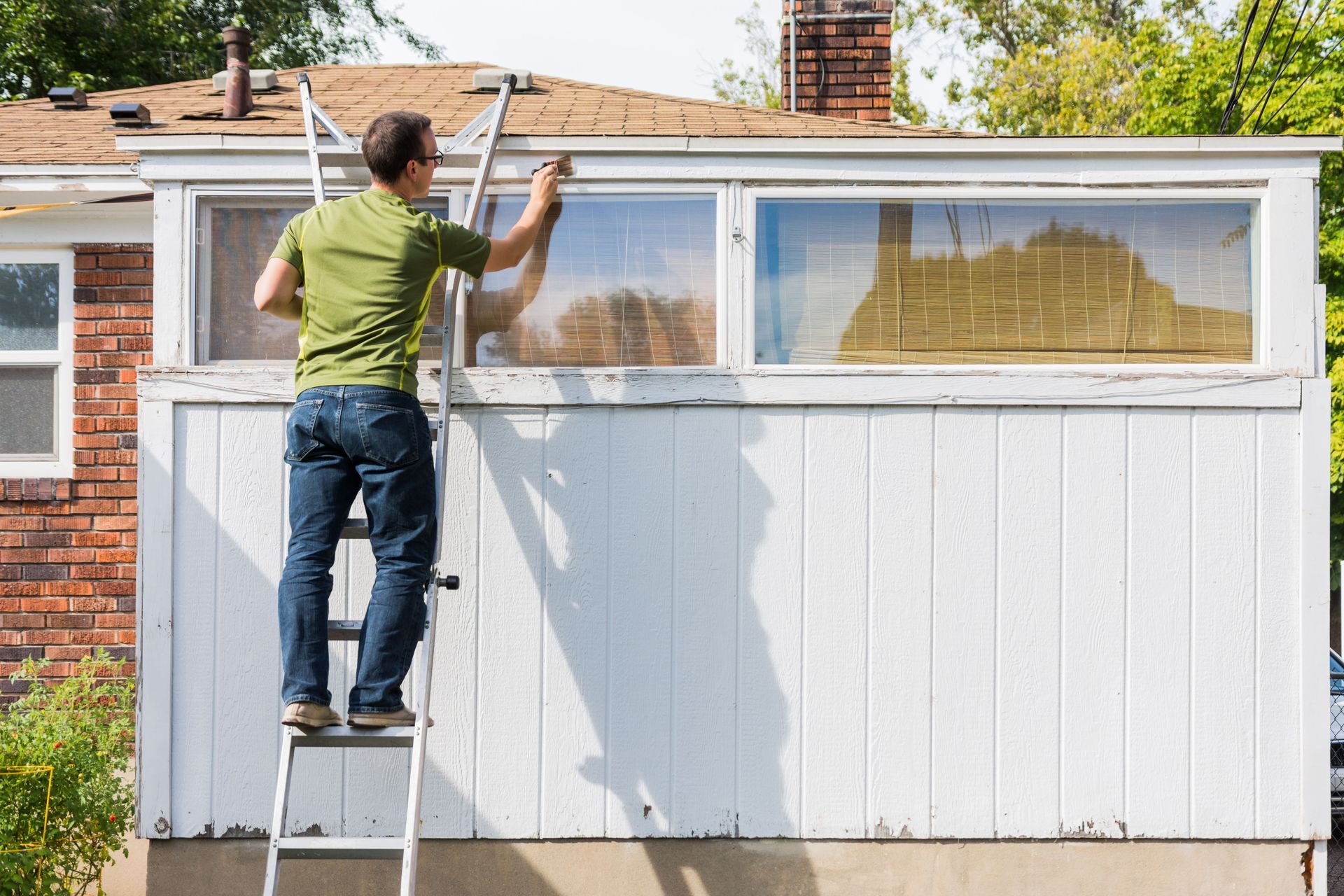
Exterior paint is continually exposed to sunlight, rain, wind, temperature changes, and moisture. Professional painters consider these conditions when evaluating surfaces and planning an exterior project. Weather exposure can influence preparation needs, coating selection, and project timing.
Evaluating Peeling Areas
Loose or peeling exterior paint can prevent new coatings from bonding properly. These areas require professional attention so unstable material does not remain beneath the new finish. Proper preparation helps create a stronger foundation for exterior coatings.
Evaluating Wood and Trim
Exterior trim, siding, fascia, and other components may show signs of weathering or deterioration before repainting begins. Identifying these conditions early allows professionals to determine whether repairs or additional preparation should be completed first.
Evaluating Moisture Concerns
Moisture can interfere with paint performance and may indicate a broader exterior condition. Professional evaluation can help identify surfaces that require attention before painting proceeds, helping reduce the likelihood of premature coating problems.
Preparing the Project Schedule Realistically
Allowing Time for Preparation
Painting projects involve more than applying color to a surface. Repairs, masking, covering, surface preparation, drying, and cleanup all take time. Experienced painters build these stages into the project so quality is not sacrificed for speed.
Allowing Time for Drying
Paint and preparation materials need adequate time to dry between stages. Environmental conditions, ventilation, humidity, and the type of coating can all influence drying times. Professional scheduling accounts for these variables.
Allowing Time for Detailed Areas
Trim, corners, doors, windows, and other detailed areas often require more attention than large open walls. These sections contribute significantly to the overall appearance of the finished project, making careful work important.
Allowing Time for Final Review
A professional project should include time to evaluate the completed work and address any areas that need additional attention. This final review helps ensure that the overall finish appears consistent before the space is returned to normal use.
Preparing for a More Lasting Finish
Supporting Better Adhesion
Proper surface preparation gives new coatings a more dependable foundation. Clean, stable, and appropriately prepared surfaces can help paint adhere more effectively and reduce the likelihood of premature peeling or failure.
Supporting Consistent Coverage
When walls and other surfaces are properly prepared, painters can achieve more consistent coverage across repaired areas, corners, and large sections. This helps the color and sheen appear more uniform throughout the finished space.
Supporting Cleaner Details
A polished painting project depends on clean transitions around trim, ceilings, doors, windows, and other architectural features. Careful preparation gives professionals better conditions for creating crisp, controlled details throughout the room.
Supporting Long-Term Appearance
Preparation can influence how well a painted surface continues to look after the project is complete. A strong foundation helps the finish withstand ordinary household use and environmental exposure while maintaining a more polished appearance over time.
A flawless paint finish begins well before color reaches the walls. Careful room preparation, surface repairs, thoughtful color decisions, exterior evaluation, realistic scheduling, and attention to coating performance all contribute to the final result. Professional painters understand how these elements work together and can prepare each surface according to its specific condition. For homeowners ready to refresh an interior or exterior space with a polished professional finish, contact Roman Paint Pros today to schedule service and discuss your upcoming painting project.